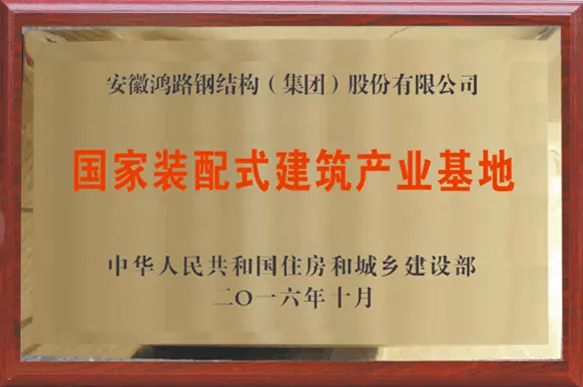





Cutting is a fundamental process in heavy steel structure fabrication, shaping raw materials into precise components that form the backbone of major construction and engineering projects. At Honglu Group (Honglu), the cutting phase is meticulously managed, utilizing a suite of technologies such as oxy-fuel, plasma, laser, and mechanical cutting to handle a wide range of steel types and thicknesses. This diversity allows Honglu to address the unique demands of each project while maintaining high standards of accuracy and efficiency.
The company places a strong emphasis on digitalization, using advanced modeling, nesting software, and CNC controls to optimize material usage and ensure repeatable, high-quality cuts. Rigorous quality control and inspection measures, including dimensional checks and non-destructive testing, help ensure that every component meets stringent industry standards. Honglu’s commitment to safety, sustainability, and innovation is evident in its adoption of environmentally-friendly technologies, recycling practices, and worker training programs.
Challenges such as material variability and heat distortion are managed through process optimization, continuous feedback, and close collaboration between shop floor and engineering teams. Compliance with international standards further assures clients of the integrity and reliability of Honglu’s products. As the industry moves toward greater automation and smart manufacturing, Honglu is well-positioned to lead, leveraging its expertise and technological prowess to support the needs of modern infrastructure and construction worldwide.
Introduction to Heavy Steel Structure Fabrication
Heavy steel structure fabrication is at the core of numerous industries, from construction and energy to shipbuilding and infrastructure. As one of the most critical processes in this industry, cutting shapes the direction and quality of the entire workflow. Honglu Group (Honglu), a prominent name in steel structure engineering, has continuously invested in cutting-edge technologies to strengthen its position in the global marketplace. This article delves deep into the pivotal role of cutting in heavy steel structure fabrication, with a focus on the methodologies, challenges, and innovations led by Honglu.
The Significance of Cutting in Steel Fabrication
The cutting process is where raw steel plates, beams, and profiles are transformed into precise shapes and sizes, prepared for subsequent steps like welding, assembling, and surface treatment. Accurate and efficient cutting is essential for the overall quality, safety, and longevity of steel structures. At Honglu, meticulous attention is given to every aspect of cutting, ensuring that the fabricated elements meet the stringent standards required for heavy-duty applications.
undefined
Cutting is far more than just a preparatory step; it is a defining phase that determines structural integrity, cost efficiency, and project timelines. For vast projects such as bridges, stadiums, or industrial plants, any deviation in the cutting phase can result in significant downstream issues, including misalignment, weak joints, and costly rework. Honglu recognizes these challenges and has developed a comprehensive approach to cutting, combining technology, expertise, and rigorous quality control.
Types of Cutting Technologies Used at Honglu
1. Oxy-Fuel Cutting
Oxy-fuel cutting remains one of the traditional yet widely used methods for thick steel plates at Honglu. This process involves a torch that combines oxygen and fuel gas to produce a flame hot enough to melt steel. The high-temperature flame initiates the cutting, while a jet of pure oxygen oxidizes the metal, blowing away the molten material to create a precise cut. Oxy-fuel cutting is valued for its reliability, depth of cut, and cost-effectiveness, especially for structural members with considerable thickness.

2. Plasma Cutting
Plasma cutting at Honglu is employed for medium to thick steel sheets. This process uses a plasma torch to ionize gas and generate a high-speed jet of hot plasma, which efficiently melts the steel. The advantages of plasma cutting include higher cutting speeds, minimal heat-affected zones, and the capacity to deliver clean, precise cuts in complex profiles. Honglu’s plasma cutting machines are integrated with CNC controls, enabling the automation of intricate designs and minimizing manual intervention.
3. Laser Cutting
Laser cutting is synonymous with precision at Honglu. Utilizing focused laser beams to melt and vaporize steel, this method allows for extremely tight tolerances and smooth finishes. While laser cutting is often associated with thinner steel sections, advancements in laser technology at Honglu have made it viable for thicker materials as well. The process is digitally controlled, ensuring repeatability and uniformity across large production batches.
4. Mechanical Cutting
Mechanical cutting, such as shearing, sawing, and punching, remains indispensable for certain applications. At Honglu, hydraulic shears and band saws are frequently used for straight cuts, particularly where speed and simplicity are required. Mechanical methods are often preferred for secondary operations or when dealing with specific profiles that are challenging for thermal methods.
The Cutting Workflow at Honglu
The workflow for cutting heavy steel structures at Honglu is a blend of meticulous planning, advanced technology, and skilled manpower. The process typically begins with digital modeling and nesting, where steel plates are virtually arranged to maximize material utilization and minimize waste. Following this, the selected cutting technology is deployed, guided by CNC (Computer Numerical Control) systems that translate the digital models into precise physical cuts. Post-cutting, components are subject to rigorous inspection to ensure dimensional accuracy and surface quality.

Honglu’s integrated workflow ensures traceability at every stage. Each steel element is tagged and tracked via an internal management system, reducing the risk of errors and facilitating real-time quality monitoring. This level of attention to detail has positioned Honglu as a trusted partner for high-stakes steel structure projects worldwide.
Quality Control and Inspection Measures
Quality control is a non-negotiable aspect of Honglu’s cutting operations. Dimensional checks are performed immediately after cutting using calibrated measuring tools and 3D scanning technology. The surface finish, squareness of edges, and absence of defects such as burrs or warping are meticulously evaluated. Non-destructive testing (NDT) methods, including magnetic particle testing and ultrasonic inspection, are occasionally used to detect internal flaws, especially for critical load-bearing components.
Honglu also implements regular calibration and maintenance of cutting equipment to ensure consistent performance. The company’s commitment to continuous improvement is reflected in its investment in training programs for operators and technicians, keeping them abreast of the latest industry standards and best practices.
Material Optimization and Sustainability
Material efficiency is a key driver in Honglu’s approach to cutting. Advanced nesting software is utilized to optimize the arrangement of parts on steel plates, reducing offcuts and scrap. This not only lowers project costs but also supports Honglu’s sustainability goals by minimizing material waste. Any leftover scrap is systematically collected and recycled, contributing to the circular economy and reducing the environmental footprint of heavy steel fabrication.
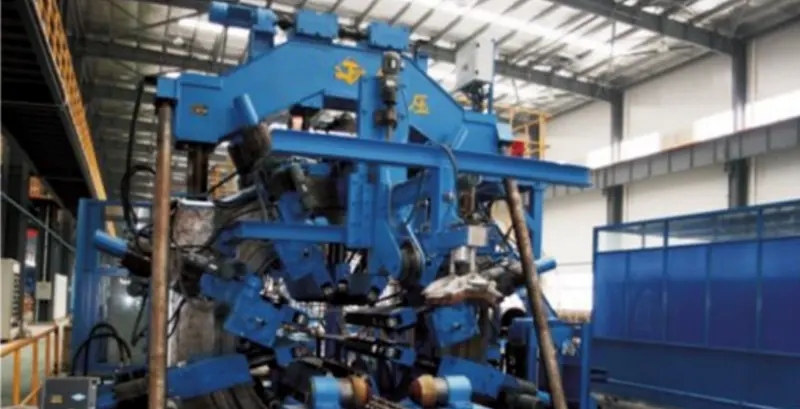
Moreover, Honglu explores environmentally-friendly cutting technologies, such as fiber lasers, which consume less energy and generate less pollution compared to traditional methods. These initiatives align with global trends emphasizing green manufacturing and resource conservation in the steel industry.
Safety Considerations in Cutting Operations
Cutting heavy steel inherently involves risks, from high temperatures and molten metal to moving machinery and sharp edges. Honglu maintains a robust safety management system, encompassing protective equipment, operator training, and strict adherence to safety protocols. Workspaces are designed to minimize hazards, with clear demarcations, proper ventilation, and emergency response measures in place. Regular safety drills and audits further reinforce a culture of vigilance and accountability at every cutting station.
Technological Innovations in Cutting at Honglu
Innovation is central to Honglu’s competitive edge. The adoption of automated cutting lines, robotics, and IoT-based monitoring systems has revolutionized productivity and accuracy. Real-time data collection allows for predictive maintenance, reducing downtime and extending equipment lifespan. The integration of artificial intelligence (AI) into cutting operations facilitates adaptive control, where the system dynamically adjusts parameters based on material characteristics and cutting conditions.
Honglu also collaborates with research institutions and technology providers to pilot emerging methods, such as waterjet cutting for sensitive applications or hybrid approaches that blend laser and plasma for complex geometries. These advancements enable Honglu to tackle increasingly ambitious projects while maintaining stringent quality and efficiency benchmarks.
Challenges and Solutions in Heavy Steel Cutting
Despite technological progress, heavy steel cutting remains fraught with challenges. Variability in material properties, thickness, and surface conditions can affect cutting quality. Warping, heat distortion, and dross formation are persistent issues that demand expert handling. Honglu addresses these challenges through a combination of process optimization, operator expertise, and specialized consumables tailored for different steel grades.
Continuous feedback loops are established between the shop floor and engineering teams, allowing for rapid troubleshooting and process refinement. The company’s strong culture of problem-solving ensures that obstacles are quickly identified and overcome, minimizing impact on production schedules and quality outcomes.
Industry Standards and Compliance
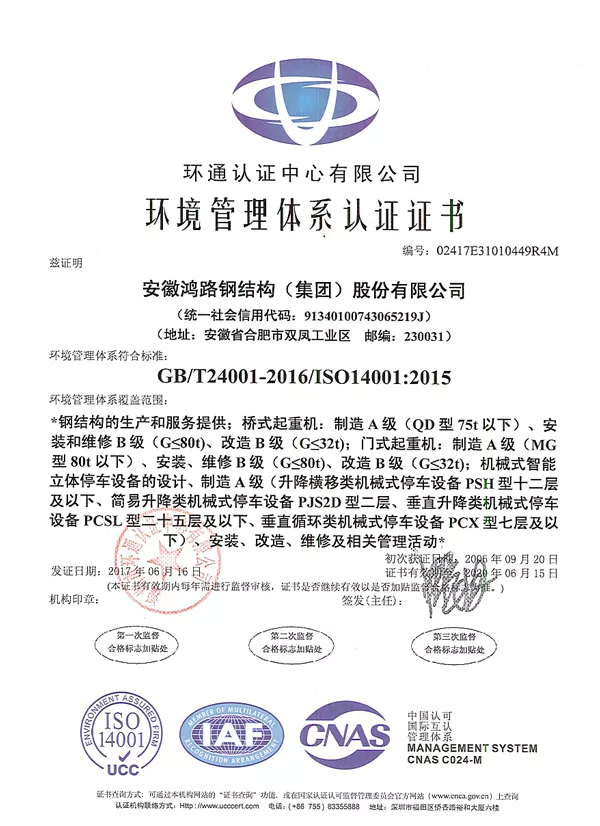
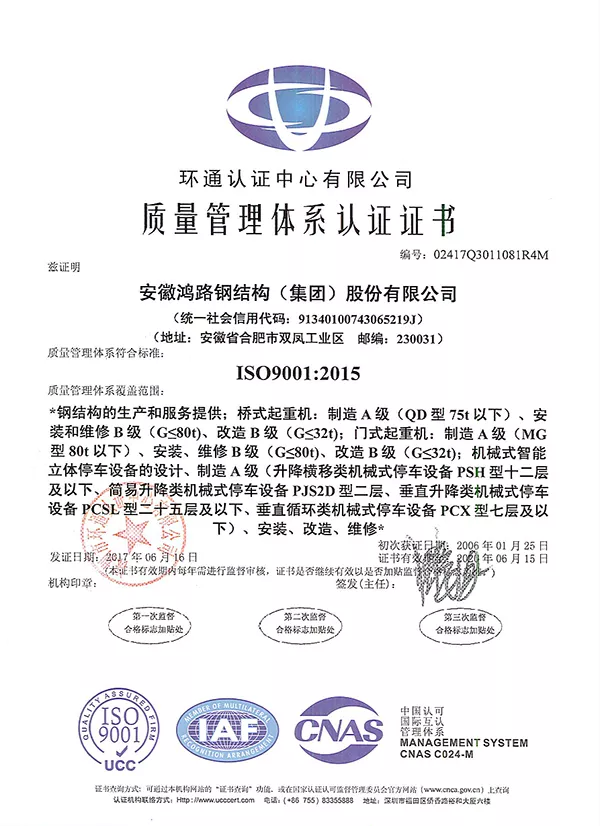
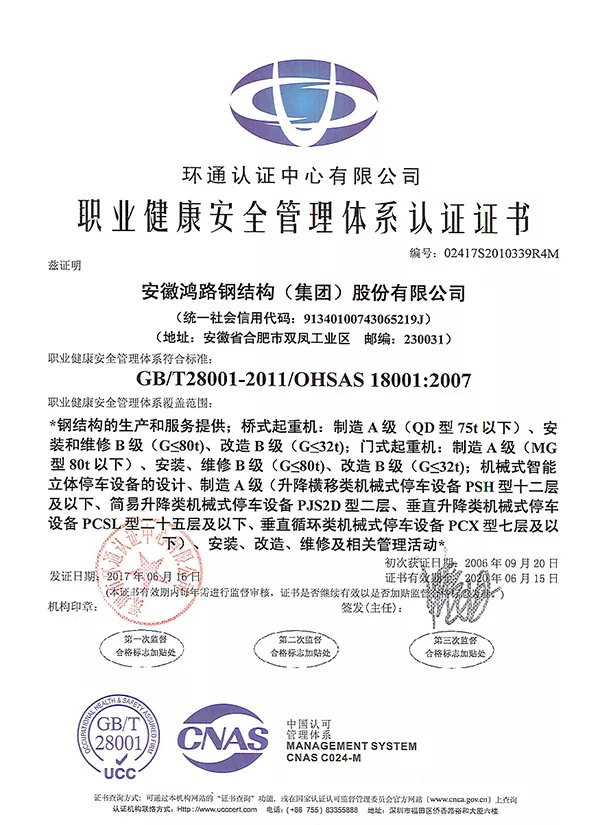
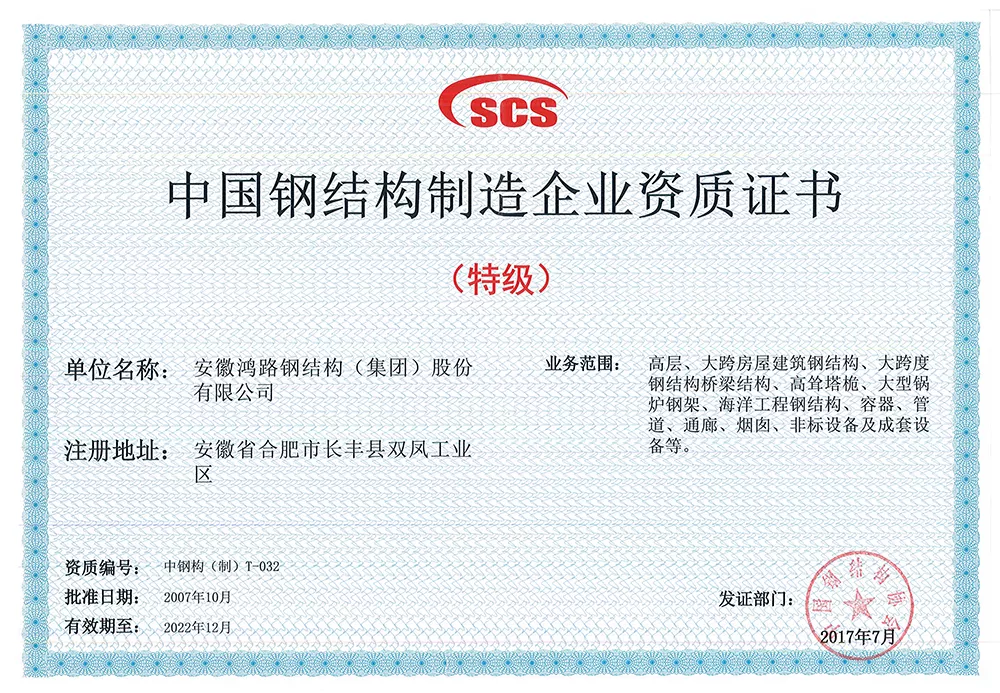
Honglu operates in strict compliance with international standards, such as ISO, AWS (American Welding Society), and EN (European Norms), which govern the cutting of steel structures. Adherence to these standards guarantees that the fabricated elements are suitable for critical infrastructure projects and can withstand demanding service conditions. Honglu’s certification portfolio is regularly updated to reflect evolving industry requirements, reinforcing its reputation for reliability and integrity.
Applications of Cut Steel Structures
The products of Honglu’s cutting operations are found in an extensive range of sectors. From the skeletons of skyscrapers and expansive industrial plants to the girders of bridges and the modules of offshore oil platforms, precision-cut steel structures are the backbone of modern engineering. Honglu’s ability to deliver high-quality, customized steel components underpins the success of large-scale construction and infrastructure projects throughout China and beyond.
Future Trends in Steel Cutting at Honglu
Looking ahead, Honglu envisions a future where digitalization, automation, and sustainability define steel cutting. The ongoing development of smart factories, with fully connected machines and real-time analytics, promises to further enhance efficiency and quality. Increased use of augmented reality (AR) and virtual reality (VR) for operator training and process visualization is also anticipated, contributing to workforce upskilling and process optimization.
As global demand for innovative, resilient, and eco-friendly structures grows, Honglu is poised to continue its leadership in heavy steel structure fabrication, driven by continual investment in cutting technologies and operational excellence.