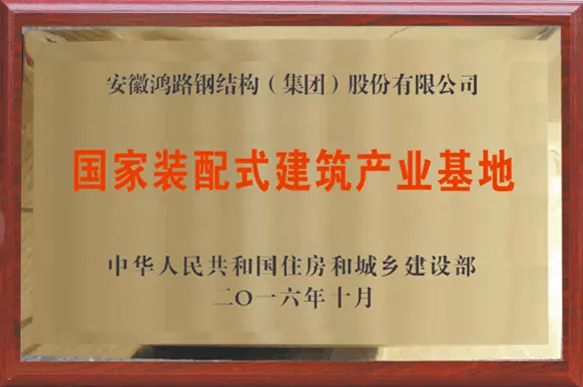





The global construction industry is undergoing a transformative shift, with modular high quality steel structures emerging as a leading solution for various building needs. Companies like Honglu Group (abbreviated as Honglu) are at the forefront of this revolution, offering innovative steel structure systems that cater to both commercial and residential markets. This article delves into the reasons behind the growing popularity of modular steel structures, the role of Honglu in advancing the industry, and the impact on sectors such as Residential Steel Structure and Workshop Steel Structure construction.
Advantages of Modular High Quality Steel Structures
Modular steel structures are designed and prefabricated offsite, then assembled quickly at the construction site. This approach brings numerous advantages over traditional building methods, including:
customized outdoor tool shed backyard garden steel metal storage sheds
wholesale steel high quality sustainable waterproof double slope garden storage shed
2024 china steel frame manufacturer steel structure thermal power plant project india btpp 2660mw thermal power plant
prefabricated hot sales good quality special shaped steel cold drawn c shaped steel
- Speed of Construction: Prefabrication reduces onsite labor and minimizes weather-related delays, enabling faster project completion.
- Superior Quality Control: Factory production ensures consistent quality and adherence to strict standards.
- Cost Efficiency: Reduced waste, labor costs, and construction time translate to significant savings for developers and end-users.
- Design Flexibility: Modular steel structures allow for customization to meet diverse architectural and functional requirements.
- Sustainability: Steel is recyclable and modular construction generates less waste, supporting green building initiatives.
Honglu Group: Pioneering Steel Structure Innovation
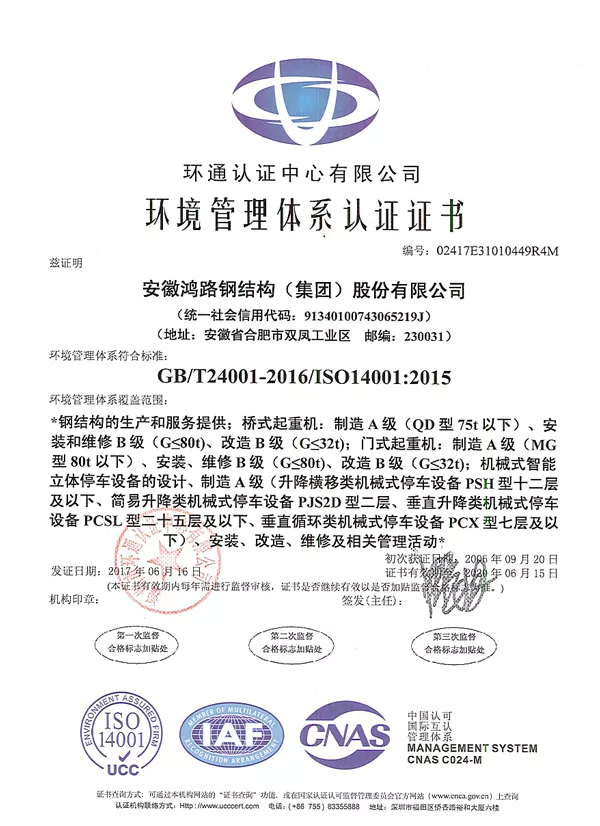
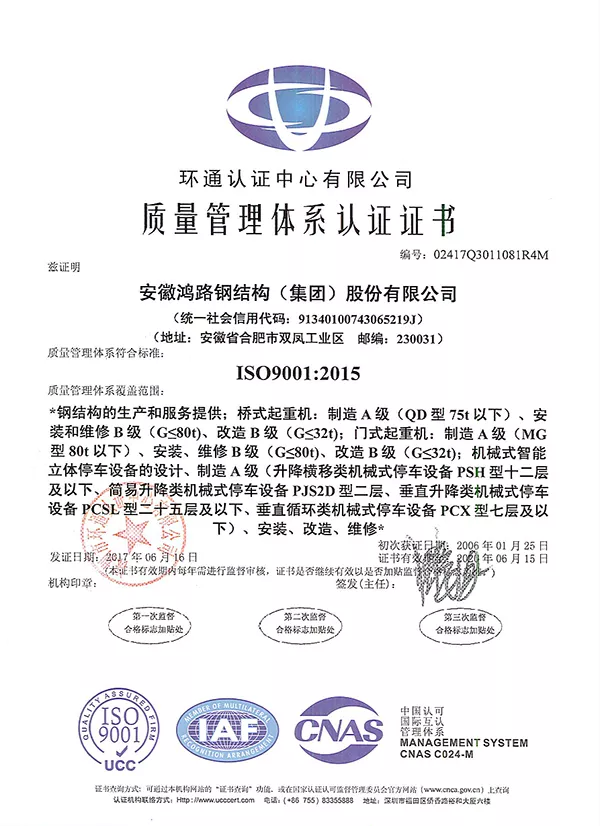
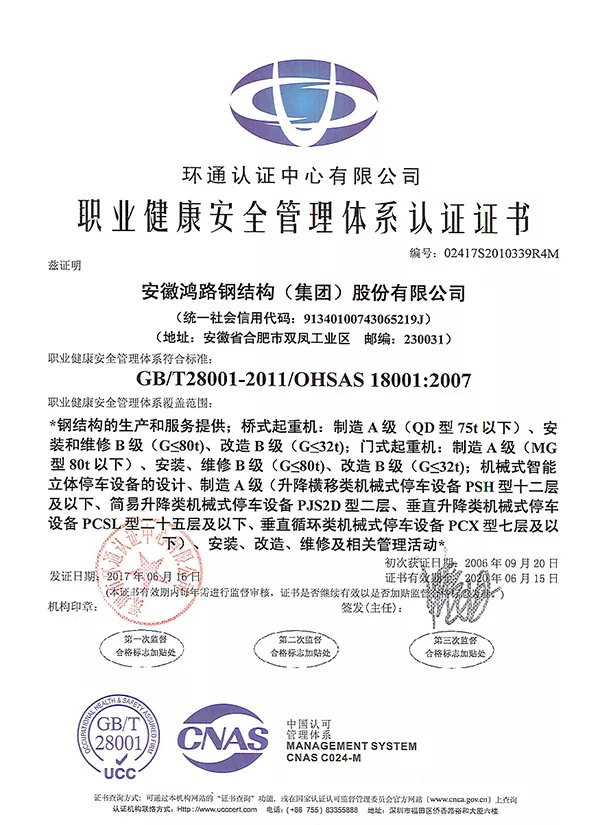
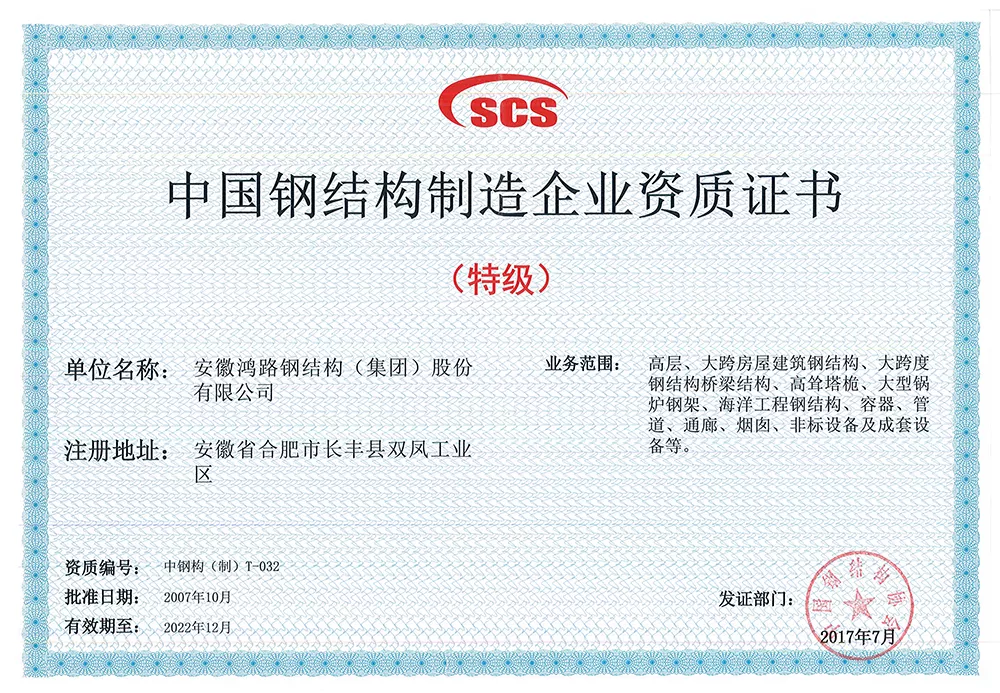
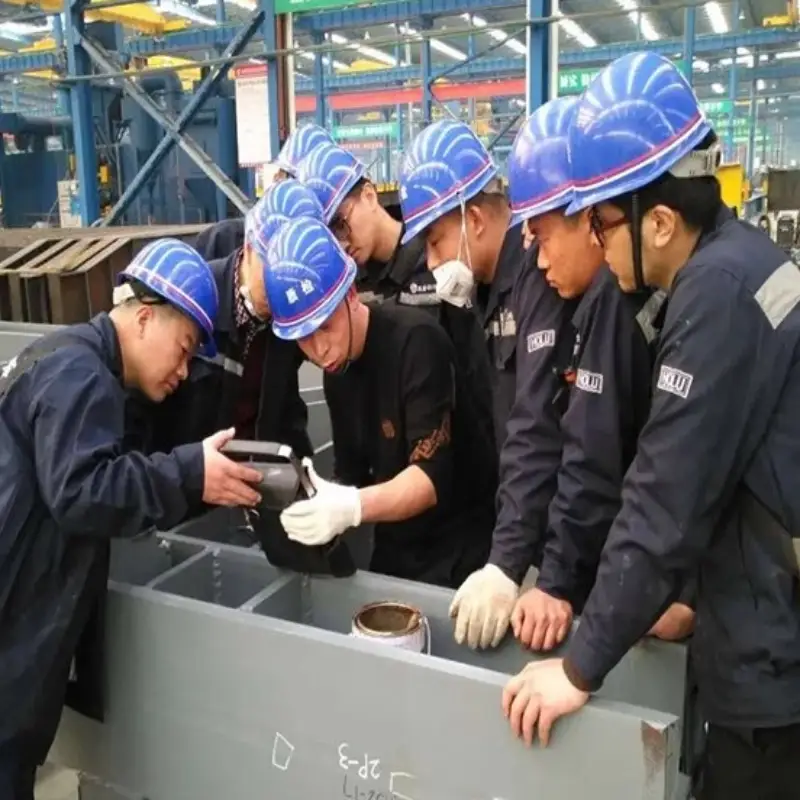
As a leading enterprise in the steel structure industry, Honglu has built a reputation for delivering high quality, reliable, and sustainable solutions. With decades of experience, Honglu integrates advanced engineering, state-of-the-art manufacturing processes, and a strong commitment to customer satisfaction.
Honglu’s product portfolio spans a wide range of applications, from Residential Steel Structure projects to large-scale Workshop Steel Structure developments. Their modular systems are engineered for rapid deployment, seismic resistance, and long-term durability, making them a preferred choice for clients worldwide.
Residential Steel Structure: Meeting Modern Housing Demands
The demand for affordable, durable, and energy-efficient housing is rising globally. Honglu’s Residential Steel Structure solutions address these needs by offering modular homes that are not only quick to construct but also highly customizable. These structures provide superior insulation, fire resistance, and adaptability compared to traditional materials, making them ideal for urban and rural housing developments alike.
Workshop Steel Structure: Supporting Industrial Growth
Industrial sectors require robust, flexible, and scalable building solutions. Honglu’s Workshop Steel Structure systems deliver on all fronts. These modular steel workshops are designed to accommodate heavy machinery, storage needs, and future expansions. The ability to quickly assemble and disassemble components also allows businesses to adapt their facilities as operational requirements evolve.
Industry Trends and Global Impact
The shift towards modular high quality steel structures is part of a broader trend in the construction industry. Factors driving this shift include:
- Urbanization: Rapid urban growth demands efficient, high-density building solutions.
- Labor Shortages: Prefabrication reduces dependency on skilled onsite labor, addressing workforce challenges.
- Technological Advancements: Innovations in steel production and modular design are expanding possibilities for architects and engineers.
- Climate Change: Sustainable building practices are increasingly prioritized, and steel’s recyclability aligns with environmental goals.
Globally, governments and private developers are investing in modular steel construction for infrastructure, commercial spaces, and housing. The COVID-19 pandemic further accelerated the adoption of modular building methods due to the need for rapid deployment of healthcare and quarantine facilities.
Case Studies: Honglu’s Global Projects
Honglu has successfully completed numerous projects across Asia, Europe, Africa, and the Americas. For instance, their residential steel structure systems have been used in affordable housing projects in Southeast Asia, providing safe and comfortable homes for thousands. In the industrial sector, Honglu’s workshop steel structure solutions have enabled manufacturers to set up production lines quickly, supporting economic growth and job creation.
Comparison Table: Modular Steel Structures vs. Traditional Construction
| Aspect | Modular Steel Structures | Traditional Construction |
|---|---|---|
| Construction Time | Short (weeks to months) | Long (months to years) |
| Quality Control | High (factory-controlled) | Variable (onsite conditions) |
| Flexibility | High (easy to expand/modify) | Limited (structural constraints) |
| Sustainability | Excellent (recyclable steel, less waste) | Lower (more waste, less recyclable) |
| Cost | Lower overall | Potentially higher |
The Future of Steel Structure Construction
With continuous advancements in materials science, digital design, and manufacturing automation, the future of modular steel structures looks promising. Companies like Honglu are investing in research and development to further enhance the performance, sustainability, and affordability of their solutions. This commitment is expected to drive even greater adoption across residential, commercial, and industrial sectors.
In summary, the popularity of modular high quality steel structures is rooted in their ability to meet the evolving demands of modern construction. Through innovation, quality, and customer-centric solutions, Honglu Group is playing a pivotal role in shaping the future of the global building industry.